
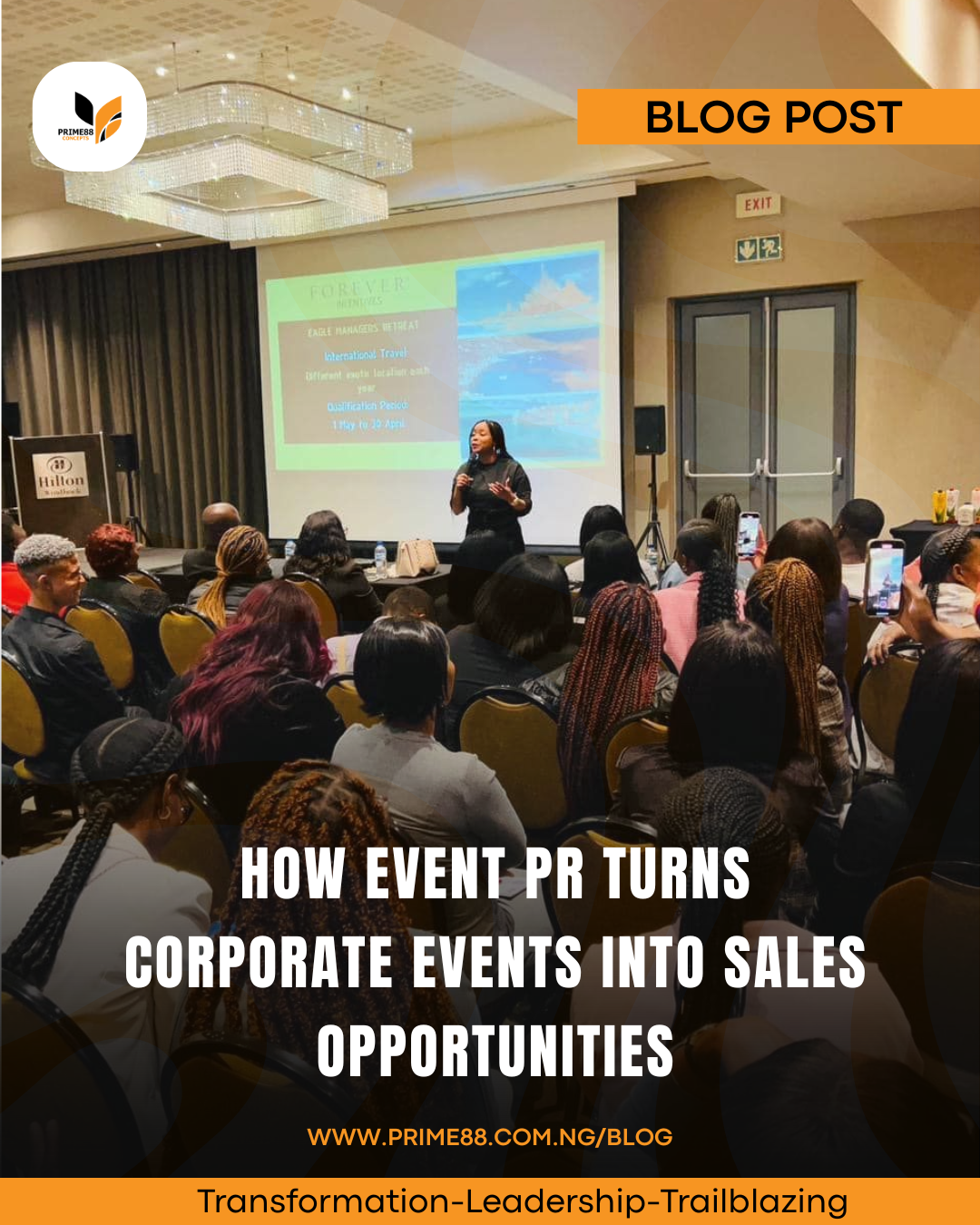

A single, well-executed corporate event can create more meaningful business opportunities than months of cold outreach. When decision-makers gather in the same space, conversations move faster, trust forms more naturally, and buying confidence increases. This growing reliance on conferences, summits, product launches, and executive forums reflects a clear shift in how organisations approach growth.
Corporate PR manages how an organisation is perceived by its stakeholders over time. It covers reputation management, executive visibility, media relations, brand storytelling, and thought leadership. Within corporate events, Corporate PR provides alignment, ensuring that every appearance, announcement, and conversation reflects the company’s positioning and commercial objectives.
Corporate events have evolved into strategic business tools. They bring together visibility, credibility, and engagement in ways traditional marketing channels struggle to replicate. Yet, the true value of these events emerges only when communication is intentional. Event PR provides the structure that turns attendance into influence and influence into sales opportunities.
Strategic Positioning Before the Event
Sales-focused events begin with clarity long before the first invitation is sent. Event PR plays a central role at this stage by defining the narrative that surrounds the event. This includes clarifying why the event matters, who it is for, and what conversations it is designed to spark.
Pre-event PR activities such as media announcements, executive interviews, partner features, and targeted content help position the event as relevant to the right audience. Early communication increases anticipation and attracts participants who are already aligned with the brand’s offerings. This alignment reduces friction during sales conversations later and ensures that interest generated at the event has commercial potential.
Event PR as the Sales Catalyst
Event PR acts as the connecting force between visibility and revenue. By managing how the event is framed publicly, PR creates context that supports purchasing decisions. Clear messaging around expertise, innovation, and industry leadership strengthens credibility at the point where prospects are actively evaluating options.
Research and analysis links events to strategic PR planning, consistently generating stronger pipeline outcomes. When attendees encounter a brand that is already visible in trusted media and professional conversations, sales discussions feel less transactional and more collaborative.
Brand Authority Built During the Event
The event itself is where authority becomes tangible. Media presence, executive participation, keynote positioning, and panel contributions reinforce the brand’s expertise in real time. Event PR ensures that these moments are captured and communicated effectively.
Live interviews, soundbites, social proof, and curated content turn the event into a platform for influence. Event technology providers consistently show how structured engagement during events leads to stronger lead quality. When PR supports these interactions, the brand remains top of mind even after the event concludes.
Post-Event Visibility and Lead Nurturing
The period after the event is where sales opportunities are refined. Event PR supports this phase through recap articles, thought leadership content, media features, and targeted communication. These efforts maintain momentum and keep conversations active.
Leads generated through events tend to convert at higher rates when engagement continues consistently. Event PR provides that consistency, ensuring that prospects remain connected to the brand’s message and offerings long after initial contact.
Measuring Commercial Impact
Event PR success is reflected in opportunity creation rather than surface metrics. Media reach, inbound inquiries, qualified leads, partnership discussions, and sales influenced by event-related content provide a clearer picture of impact.
When PR outcomes align with business objectives, events transition from one-off experiences into reliable growth channels. This approach allows organizations to refine strategy, improve targeting, and maximize return on investment over time.
Conclusion
Corporate events create moments of attention. Event PR gives those moments direction and longevity. Through structured communication, consistent visibility, and strategic alignment, events evolve into platforms for trust, influence, and revenue growth.
Brands that integrate Event PR into their event strategy do more than host gatherings. They create environments where conversations lead to decisions and presence translates into performance.
At Prime88 Concepts, we approach corporate events as strategic business tools. Through focused Event PR, we help brands shape the right narrative before the event, amplify credibility during key moments, and sustain visibility long after the audience has dispersed. This ensures that every event contributes to stronger brand trust, meaningful engagement, and real sales opportunities.