
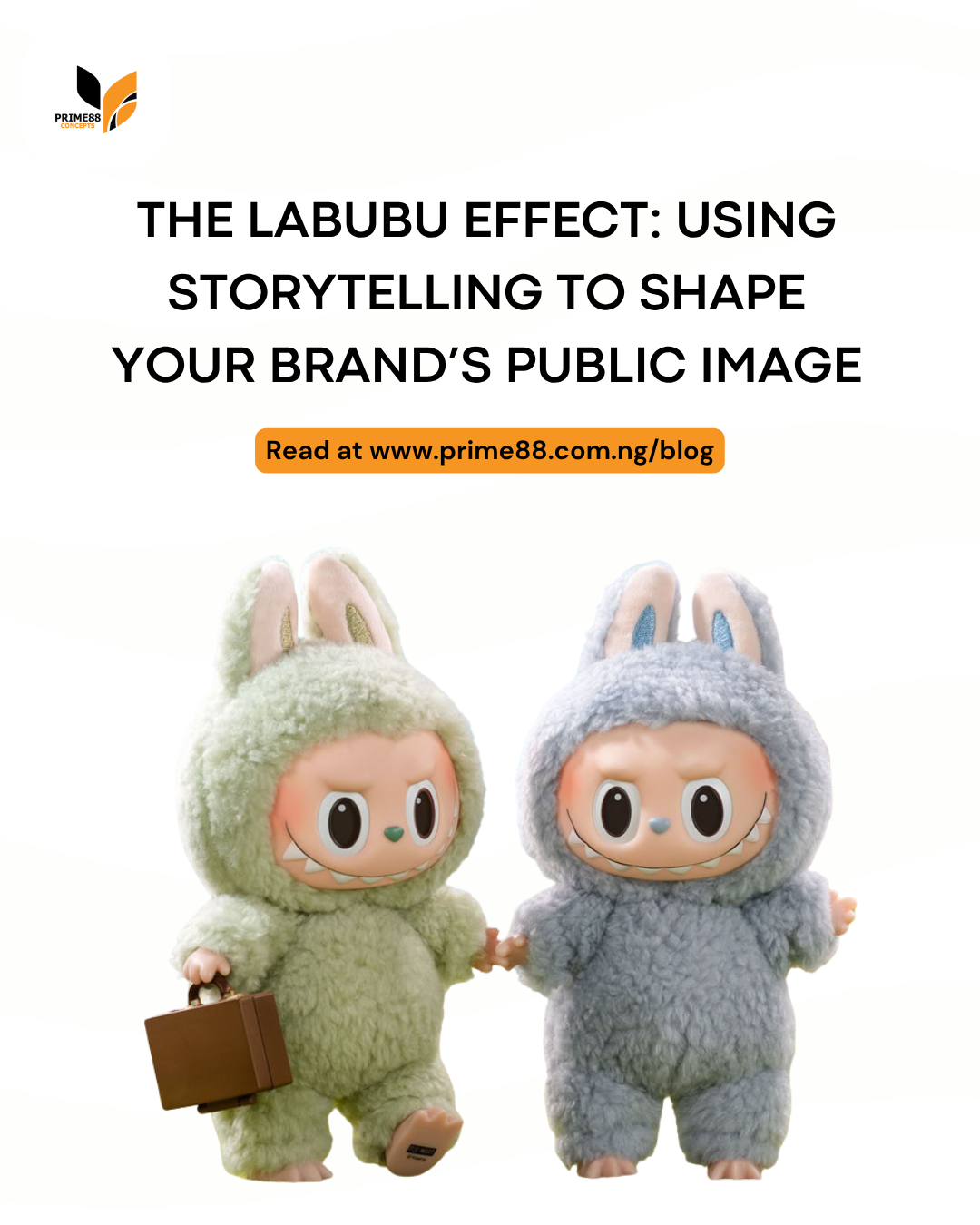

Stories that stick are the first step in launching a brand or changing its image. Your brand can use narrative to influence public opinion and draw media attention, much like Labubu, a quirky and funny toy from Pop Mart, did by using rich storytelling and purposeful scarcity to gain media attention.
This article explains how to create compelling stories, create suspense, and involve audiences in ways that will grab the interest of consumers and the media.
The Power of Story-Driven Branding
Storytelling in branding is an emotional bridge. Audiences crave narratives filled with emotion, purpose, and authenticity. Labubu’s rise from a quirky Nordic‑inspired toy to a viral phenomenon shows what great storytelling can do.
According to The Guardian, Labubu “combines whimsical features with eerie elements, evoking nostalgia while appealing to modern pop‑culture aesthetics” That blend of nostalgia, surprise, and personality illustrates the Labubu Effect.
However, emotionally engaged consumers are “2.4 times more likely to stick with a brand and make repeat purchases”. That emotional bond is built through narrative. Stories create a beginning, middle, and end that audiences can follow, invest in, and remember. A good brand story grabs attention early, rewards the reader, and most importantly ties back to a clear action or deeper connection. In Nigeria today, where oral traditions, Nollywood, and music define culture, narrative is ingrained in daily life. When brands tell stories that reflect the values and desires of everyday Nigerians, they connect on a deeper level. Instead of saying “We’re good,” storytelling shows “Here’s how we’re part of your life, your aspirations, your struggles, your wins.”
What Is the “Labubu Effect”?
The Labubu Effect is a branding blueprint for creating irresistible hype and deep emotional connections around a quirky collectible toy with audiences. It is a three-part formula that blends storytelling, scarcity, and social sharing to turn products into cultural icons.
Here’s how it works:
a). Emotional storytelling: Every great brand starts with a story. For Labubu, the character wasn’t just designed for cuteness; it has Nordic folklore roots that add mystery and emotional depth. Artist Kasing Lung crafted Labubu as a mischievous creature living in an imaginary world, part rabbit, part imp, with an eerie but lovable personality. This backstory made it more than just a toy; it became a character with meaning, and people naturally wanted to know more.
Why does this matter for your brand? Because humans are wired to respond to stories. Brands that use storytelling create more engagement than those that don’t. By telling your own narrative, whether it’s your founder’s journey, the problem your brand solves, or the values you stand for. This gives people a reason to care and connect emotionally.
b). Scarcity and surprise: Labubu toys come in “blind boxes” where buyers don’t know which design they’ll get. This creates anticipation and triggers excitement that people feel when opening gifts.
This strategy worked so well that Labubu became an instant hit among collectors. The rarity of certain designs added a fear of missing out on the unique ones. This encourages fans to buy more and share their discoveries online.
For your brand, you don’t have to sell blind boxes to use this tactic. Scarcity can take many forms:
- Limited-edition products or services that feel exclusive.
- Early-access campaigns for loyal customers.
- Surprise features or giveaways that delight your audience unexpectedly.
Scarcity combined with storytelling made Labubu not just a collectible but a status symbol, even attracting celebrities like Marc Jacobs to showcase it in fashion campaigns.
c). Social amplification: One of the reasons Labubu went viral is its shareability. Fans began posting unboxing videos, displaying their rare finds, and even creating fan art. Social media platforms like TikTok, and Instagram became flooded with Labubu content, amplifying its reach organically.
But it didn’t stop there, celebrity endorsements gave the brand extra cultural credibility. When Marc Jacobs incorporated Labubu into his runway shows and personal style, mainstream media started paying attention. The toy became a cultural moment, transcending its niche audience.
Brands can borrow this strategy by:
- Designing share-worthy moments (e.g., beautifully packaged products or behind-the-scenes sneak peeks).
- Encouraging user-generated content with hashtags and challenges.
- Partnering with influencers who align with your brand values.
Social amplification builds trust faster because people believe other people’s experiences. Together, these elements gave Labubu a huge hype and brand loyalty. Your brand can replicate this by prioritizing emotion, exclusivity, and shareable moments.
Applying the Labubu Effect To Your Brand
a) Define Your Narratives
At the heart of every memorable brand is a story. Labubu has its Nordic folklore-inspired backstory; your brand needs its own narrative too. Ask yourself:
- What challenge are you solving for your customers?
- Why does your brand exist beyond making sales?
- Who are the heroes in your story, your customers, your team, or your product?
Use real customer stories, testimonials, and even fictionalized “brand characters” to make this narrative relatable. Just like Labubu’s mischievous personality made it feel alive, you can give your brand a voice and personality that people can connect with emotionally.
b) Introduce Mystery & Scarcity
One of Labubu’s smartest moves was the use of blind boxes. Customers didn’t know what version of Labubu they were buying, which created excitement and anticipation. This tactic taps into basic human psychology: we love surprises and hate missing out.
For your brand, consider ways to build mystery and exclusivity, such as:
- Limited-edition products: Release a small batch of something unique to drive urgency.
- Seasonal collections: Make certain items only available during specific times of the year
- Invite-only launches: Give VIP customers early access to new products or events.
- Teasers on social media: Share hints and sneak peeks without revealing everything, keeping your audience curious and engaged.
This approach prevents brand fatigue and makes each launch feel special, something worth talking about and sharing.
c) Invite Community
Encourage users to share their experiences. Create branded hashtags, photo contests, or storytelling prompts around your products.
Labubu didn’t go viral because of ads, it went viral because of its community of fans who shared unboxing videos, created fan art, and celebrated their collections online. Your brand can achieve similar results by encouraging user participation and fostering a sense of belonging.
Here’s how:
- Launch branded hashtags and invite your customers to share their experiences.
- Organize photo or video contests where customers showcase how they use your products.
- Feature user-generated content on your website and social media, giving your audience a platform to shine.
- Create storytelling prompts that encourage customers to share their journey with your brand.
A strong brand community doesn’t just create customers but creates advocates who amplify your message organically because when people feel like part of your brand’s story, they’re more likely to share it with others, generating valuable word-of-mouth.
d) Amplify Through Media
Once you’ve built a strong narrative, a sense of mystery, and an engaged community, it’s time to take your story to a wider audience through the media. Journalists and bloggers are always looking for fresh, emotional stories.
Here’s how to pitch effectively:
- Lead with your narrative; Tell why your brand exists, what problem it solves, and how it’s making an impact.
- Back your story with data and customer success stories to make it credible. For example, Forrester reports that storytelling can boost customer loyalty by 20%.
- Offer visual assets like high-quality photos, videos, and infographics so media outlets can easily cover your story.
The goal is to present journalists with a ready-made story that resonates with their audience. When your narrative is emotional, data-backed, and visually compelling, the media is more likely to amplify it.
Conclusion
The Labubu Effect highlights how storytelling, scarcity, and community builds cultural momentum about a product. Your brand holds similar potential: by weaving relatable narratives, offering exclusive experiences, and empowering your community to share, you position your brand to capture attention, trust, and loyalty.
Prime88 Concepts is a public relations firm that specializes in narrative-driven campaigns for brands. We help brands build emotional connections with their narratives, and transform their stories into memorable brand experiences.
Question for You:
What unique story can your brand tell that your audience will want to share?