
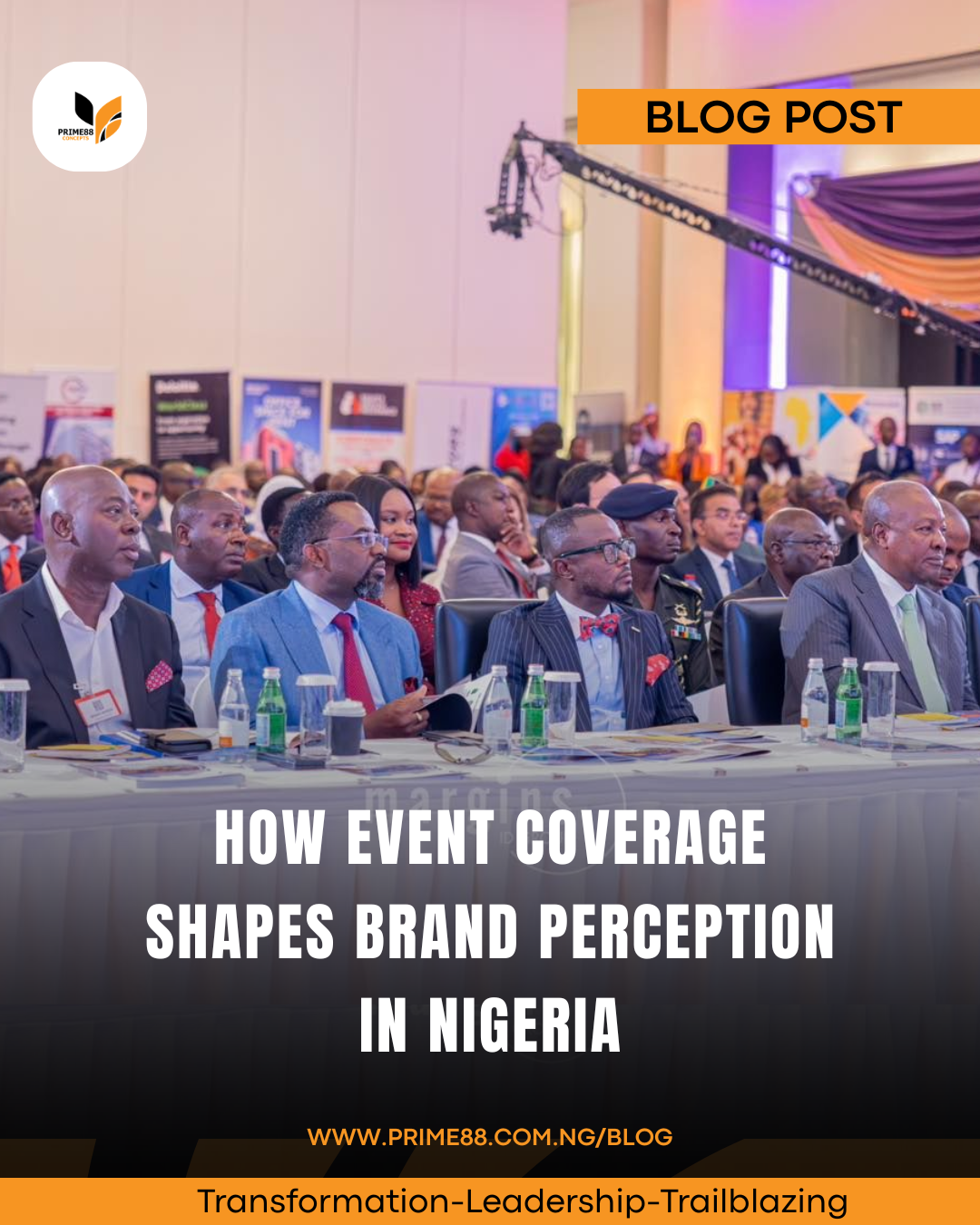

Events have become a powerful part of how brands show up in Nigeria. From corporate launches to cultural showcases, conferences, and experiential activations, events are no longer just gatherings, they are opportunities to shape how a brand is seen, remembered, and talked about.
What happens during an event matters, but what is shared after the event often matters even more. The quality of coverage, the narratives created, and the visibility generated all contribute to how audiences perceive a brand long after the event ends.
In a media-driven and socially connected environment like Nigeria, event coverage plays a direct role in influencing brand perception, credibility, and long-term relevance.
From storytelling and media visibility to audience engagement and reputation building, the way events are documented and communicated shapes how brands are understood in the public space.
Event Coverage Extends the Life of Your Brand Story
An event may last a few hours, but its impact can continue long after, depending on how well it is covered. Professional event coverage transforms a moment into a lasting narrative.
Through photos, videos, media features, and social media content, brands are able to extend the reach of their events beyond physical attendees. This creates multiple touchpoints where audiences can engage with the brand story.
In Nigeria, where digital platforms play a major role in information sharing, this extended visibility is critical. It ensures that the event continues to generate conversations, impressions, and engagement even after it has ended.
Strong coverage captures key moments and translates them into content that reflects the brand’s message, making it easier for audiences to connect with and remember.
Perception Is Built Through Experience and Visibility
Brand perception is shaped by how people experience and interpret a brand. Events create direct experiences, while coverage amplifies those experiences to a wider audience.
Brand perception goes beyond products or services, it is influenced by emotional and social connections, as well as how consistently a brand engages its audience.
Event coverage plays into this by showcasing how a brand interacts with its audience, the quality of its experiences, and the value it delivers.
When audiences see well-documented events that reflect professionalism, creativity, and engagement, it strengthens their perception of the brand. On the other hand, poor or inconsistent coverage can weaken that perception, regardless of how well the event was executed.
Professional Coverage Reinforces Credibility
How a brand presents itself publicly often determines how seriously it is taken. Professional event coverage signals structure, intention, and attention to detail.
From high-quality visuals to well-crafted narratives and strategic media placements, professional coverage reflects a brand that understands the importance of perception.
Public relations plays a central role here. As highlighted in discussions on PR practice, communication is not just about visibility but about shaping perception, building trust, and managing how a brand is understood by its audience.
When an event is properly documented and shared, it reinforces credibility. It tells stakeholders, including customers, partners, and investors that the brand operates with clarity and professionalism.
Media Coverage Builds Authority and Trust
Media coverage adds a layer of validation that brand-owned content alone cannot achieve. When an event is featured by credible media platforms, it increases the perceived importance of both the event and the brand behind it.
This form of third-party validation strengthens trust. Audiences are more likely to believe and engage with content that is endorsed or covered by external platforms.
In Nigeria, where media visibility plays a strong role in shaping public opinion, being featured across reputable channels enhances brand authority. It positions the brand as relevant, active, and worthy of attention.
Over time, consistent media coverage builds familiarity, and familiarity strengthens trust, a key factor in how brands are perceived.
Event Sponsorship and Coverage Influence Brand Image
Events also provide opportunities for brands to associate themselves with specific values, industries, or communities. Sponsorship, when combined with strong coverage, can significantly influence brand image.
Research shows that event sponsorship positively impacts brand image and can influence consumer behavior, particularly when audiences are able to connect the brand with meaningful experiences.
Coverage plays a key role in amplifying this impact. It ensures that the brand’s involvement is visible and clearly communicated to a wider audience.
When done effectively, this creates a strong association between the brand and the values represented by the event, strengthening perception and increasing relevance.
Event Coverage Drives Engagement and Conversations
Beyond visibility, event coverage creates opportunities for engagement. Social media posts, highlight videos, behind-the-scenes content, and media features encourage audiences to interact with the brand.
These interactions; likes, comments, shares, and discussions contribute to how the brand is perceived. A brand that generates engagement is often seen as relevant, active, and connected to its audience.
In Nigeria’s highly social digital space, conversations play a major role in shaping perception. Brands that are talked about are more likely to be remembered.
Event coverage fuels these conversations by providing content that audiences can engage with and share.
Long-Term Impact on Brand Growth
The impact of event coverage goes beyond immediate visibility. It contributes to long-term brand growth by strengthening reputation, increasing awareness, and building trust.
A well-covered event becomes part of a brand’s portfolio, something that can be referenced, shared, and built upon. It adds to the brand’s credibility and reinforces its presence in the market.
Over time, consistent and strategic event coverage positions a brand as active, relevant, and engaged. This makes it easier to attract opportunities, partnerships, and audience loyalty.
In a competitive market like Nigeria, where perception plays a significant role in decision-making, this long-term impact cannot be overlooked.
Conclusion
Events create opportunities, but event coverage determines how those opportunities are perceived. It shapes how audiences interpret a brand’s presence, value, and credibility.
When done professionally and strategically, event coverage goes beyond documentation, it becomes a tool for storytelling, positioning, and growth.
For brands looking to stand out, the focus should not only be on hosting impactful events but also on ensuring that those events are captured, communicated, and shared in a way that strengthens perception and builds lasting value.
At Prime88 Concepts, we help brands capture and communicate their events in ways that shape perception and build lasting value. From strategic media coverage to storytelling and brand positioning, we ensure every event goes beyond the moment by creating visibility, credibility, and meaningful audience connection.