
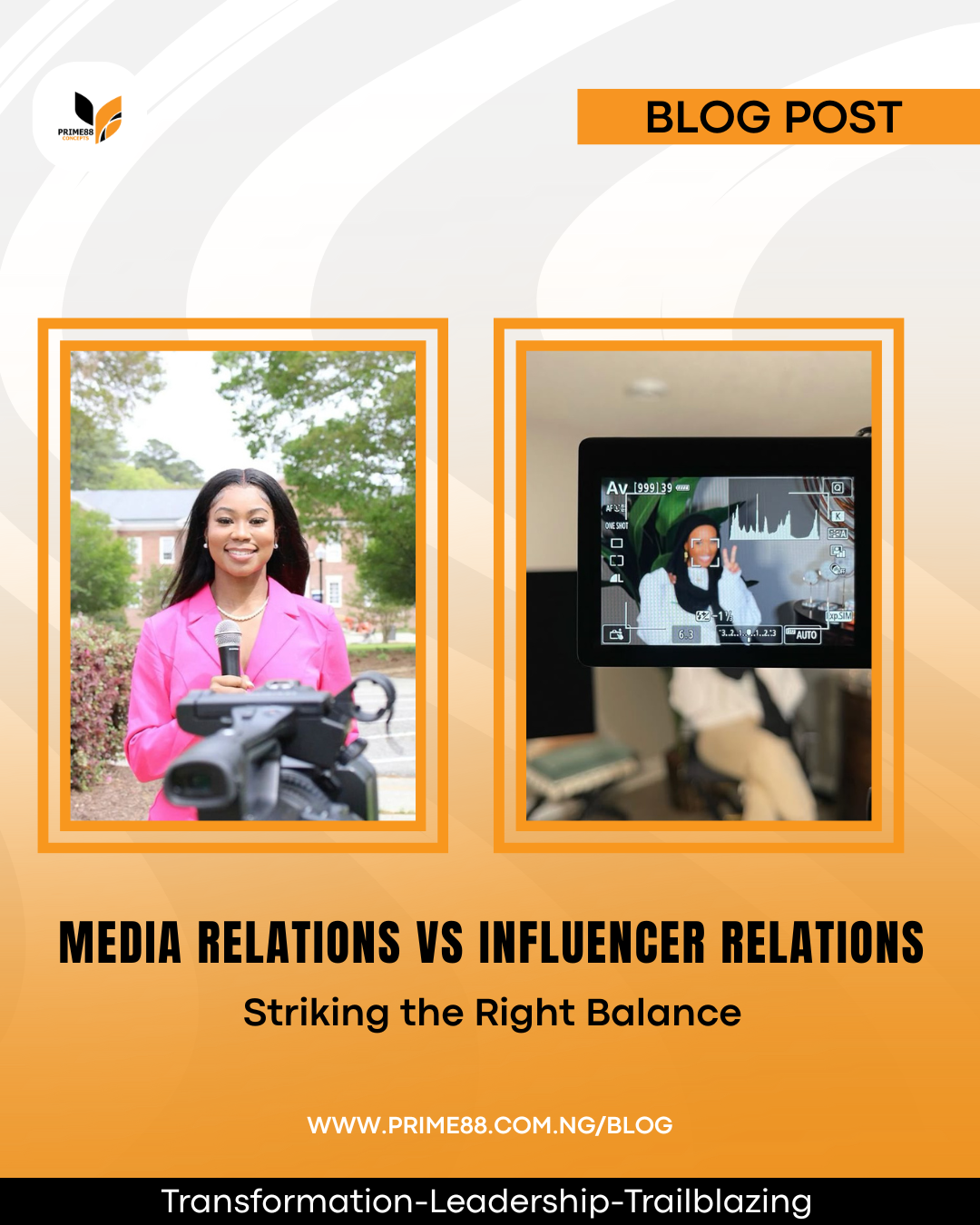

Public attention does not follow one straight path anymore. Today, people discover brands through news platforms, social media, creators, online communities, and digital conversations all at the same time. Because of this, brands now rely on two major communication tools: media relations and influencer relations.
Media relations helps brands appear in trusted news outlets and professional publications. Influencer relations help brands connect with people through creators they already follow and trust online. Both approaches shape how a brand is seen, how messages are shared, and how trust is built.
The real challenge for many brands is not choosing between the two but knowing how to use both together in the right way. This article explains what media relations and influencer relations really mean, how rules affect both, and how brands can balance credibility, reach, trust, control, and strategy for long-term success.
Foundation
Media relations is the process of working with journalists, editors, reporters, and media houses to share brand stories with the public. This includes press releases, interviews, news features, expert opinions, and crisis communication. The goal is to build a positive and trusted public image through verified news platforms.
Influencer relations focuses on working with content creators who already have loyal online audiences. These creators may be on Instagram, TikTok, YouTube, X, or blogs. Brands partner with them to share products, services, or messages in a natural and personal way.
Both areas are now guided by rules and regulations. Media professionals follow strict standards that protect accuracy, fairness, and public interest. Journalists are expected to verify information before publishing. This is why media platforms are still trusted when serious issues arise.
Influencer marketing is also now regulated. Many countries require influencers to clearly disclose paid partnerships. Digital platforms also have rules about ads, promotions, and misleading content. These rules help protect audiences and ensure transparency.The impact of regulated and ethical promotion is clearly seen in several PR and advertising campaigns that have made history in Nigeria where trust played a key role in public acceptance.
Understanding this foundation helps brands know where safety, risk, authority, and creativity all sit. The media offers structure and protection. Influencers offer speed and connection within clear rules.
Credibility
Credibility is one of the strongest advantages of media relations. When a brand appears in a respected newspaper, magazine, TV station, or trusted online publication, that platform’s reputation automatically adds weight to the brand story. People are more likely to believe information when it comes from a verified news source.
Influencers also have credibility, but theirs works differently. Their trust comes from ongoing relationships with their followers. People believe influencers because they feel familiar, relatable, and consistent.
Both types of credibility are useful. Media builds public confidence on a large scale. Influencers build personal belief on a smaller, more emotional level. Strong brands understand how to use both without confusing the audience.
Reach
Media reach spreads widely and quickly. A single news story can reach thousands or even millions of people across websites, search engines, social platforms, and broadcast channels. Media helps brands grow visibility beyond their existing followers.
Influencer reach works through specific communities. Each creator speaks to a defined group of people who already share interests, values, or lifestyles. Even if the audience is smaller than mass media, the engagement is often deeper and more active.
Media reach gives brands scale. Influencer reach gives brands closeness. When both are combined, brands can reach wide audiences while still keeping the message personal.
Control
Control is one of the biggest differences between media relations and influencer relations.
In media relations, brands do not fully control how stories are written. Journalists choose the headline, the angle, and what details to include. While brands can guide the message, final control remains with the media. This loss of control is also why media coverage feels more believable.
In influencer relations, brands have more control through agreements, content guidelines, and approvals. The message is shaped to fit the brand’s goal while also matching the influencer’s style.
The key is balance. Too much control can make content feel forced. Too little control can create confusion or brand risk. Strong campaigns allow creative freedom with clear boundaries.
Strategy
Strategy is where both media and influencer relations come together with purpose.
Media relations works best when a brand needs:
- Strong public credibility
- Industry authority
- Crisis management
- Policy or corporate trust
- Long-term reputation building
Influencer relations works best when a brand needs:
- Fast online attention
- Community engagement
- Product awareness
- Lifestyle storytelling
- Youth or niche market access
The smartest brands do not place these tools against each other. They design campaigns where both support the same goal. Media builds the foundation of trust. Influencers carry the message into everyday conversations.
A balanced strategy helps a brand stay respected and relevant at the same time.
Conclusion
Media relations and influencer relations are no longer separate tools used at different times. They now work best as partners in modern communication. One provides authority. The other brings relatability. One strengthens public image. The other drives daily engagement.
Brands that rely only on media may gain respect but lose cultural presence. Brands that use only influencers may gain popularity without long-term stability. Real success comes from using both sides with clear intention.
When media builds trust and influencers sustain connection, brands gain attention and they build lasting influence.
At Prime88 Concepts, we believe effective PR goes beyond visibility. We help brands build credibility, manage perception, and create communication strategies that drive long-term growth, not just short-term attention.